5 Common Causes of Utility Strikes and How to Prevent Each One
Every year, utility strikes cost the US construction industry 10s of B USD and the numbers continue to rise. The industry must understand the causes and improve its utility strike prevention techniques.
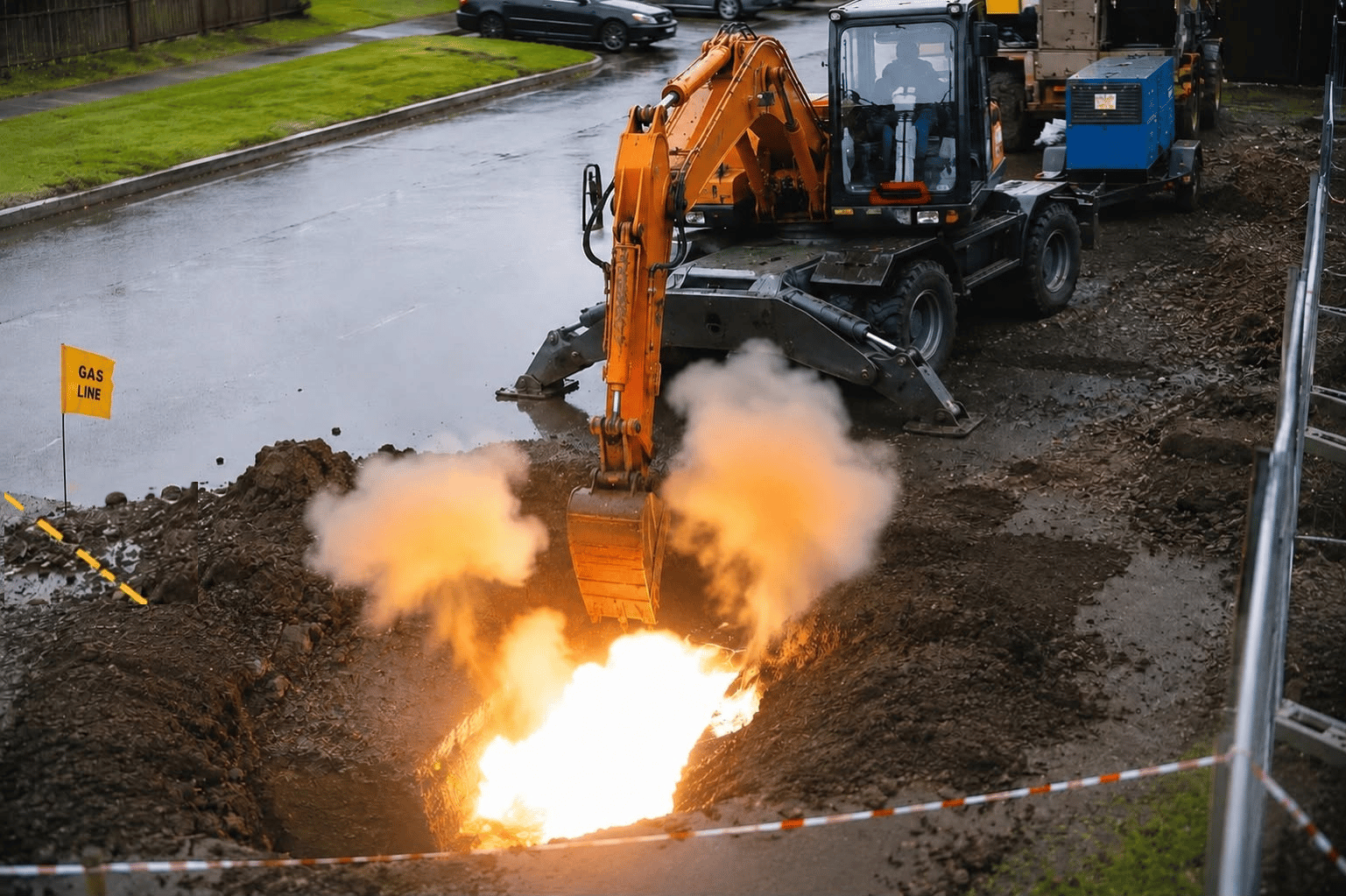
Where Excavation Safety Breaks Down: The Most Frequent Utility Strike Triggers
Every year, utility strikes cost the American construction industry and society as a whole 10s of billions of dollars. This includes direct repair costs, project delays, equipment damage, and regulatory fines, as well as indirect costs such as loss of productivity, higher insurance premiums, and environmental impacts.
Given the scale of the problem, the industry needs to improve its utility strike prevention techniques to reduce future financial losses. However, the latest data from the Common Ground Alliance (CGA) 2025 DIRT Report shows the problem is getting worse, not better.
In 2025, there were over 220,000 unique reported incidents of utility damage in North America, an increase from the previous year’s figure of less than 200,000. The annual CGA report provides data from the Damage Information Reporting Tool (DIRT), a North American online database with user-submitted information on utility damage and near misses. Therefore, these figures likely underestimate the real number of utility strikes, as many go unreported.
The data also shows that for the second year running, utility damage as a whole is increasing based on the CGA index. A custom metric developed to monitor damage trends over time.
In addition to the raw numbers, the DIRT report compiles a list of the 10 most common factors that cause utility damage. These are often related to misusing the One Call / 811 “call before you dig” service and poor excavation safety practices. The top 10 list for 2025, accounting for 86% of incidents, is shown below:
| Factor | Number of Reports | Percentage of Total |
1 | No notification made to One Call Center / 811 | 35,030 | 22.3% |
2 | Excavator failed to maintain clearance after verifying marks | 23,240 | 14.8% |
3 | Facility not marked due to locator error | 22,342 | 14.2% |
4 | Marked inaccurately due to locator error | 14,392 | 9.2% |
5 | Excavator dug prior to verifying marks by potholing | 11,340 | 7.2% |
6 | Improper excavation practice not listed elsewhere | 9,698 | 6.2% |
7 | Facility not marked due to no response from operator / contract locator | 6,607 | 4.2% |
8 | Excavator dug outside area described on ticket | 4,753 | 3.0% |
9 | Excavator failed to shore excavation / support facilities | 4,186 | 2.7% |
10 | Excavator dug after valid ticket expired | 3,414 | 2.2% |
These are the biggest reported factors for utility strikes in North America during 2025. However, there are common causes behind these factors and others that are the real reason why an excavator comes into contact with a buried utility line on a construction site.
Below, we have compiled a list of major root causes of utility strikes as well as strategies for contractors to minimize their impact during excavation projects.
Cause #1: Mismarked or Missing Locates
Utility locating errors can be grouped together, whether the service failed to respond, missed a utility line, or marked it inaccurately. This is most commonly related to One Call / 811 mismarking the utility lines present. One Call / 811 “call before you dig” services send locators out to excavation sites to mark the known utility lines upon receiving a request.
Beyond a basic mistake by the service that the contractor can’t do anything about, there are many other reasons utility locating errors occur. These include:
- Outdated or incomplete utility records
- A utility owner failing to respond correctly within the required timeframe
- Marks fading or becoming difficult to identify before excavation begins
- A locate request not covering the full scope of planned excavation
- Private utilities on a site that are not included in public records
These utility locating errors create a dangerous gap between what the crew expects to find underground and what is actually present. A painted line on the ground is only useful if it accurately represents the utility below it. When those markings are incorrect, operators may unknowingly dig directly into a line.
To minimize the risk of mismarked or missing locates, excavation crews should:
- Submit locate requests early enough to allow complete responses
- Confirm that all required utilities have been marked
- Inspect marks before excavation begins
- Refresh faded markings when necessary
However, a proper utility strike prevention framework should also treat surface markings as a starting point, not a guarantee. This includes integrating survey mapping technologies, such as Ground Penetrating Radar (GPR), into pre-excavation safety planning or verifying utility depth and horizontal position through potholing.
Cause #2: Unmapped or Legacy Utility Lines
Not every underground utility exists in official records. Excavation sites often contain decades of buried infrastructure, including abandoned pipes, private utility connections, undocumented installations, and older assets that were installed before modern mapping requirements and regulations existed.
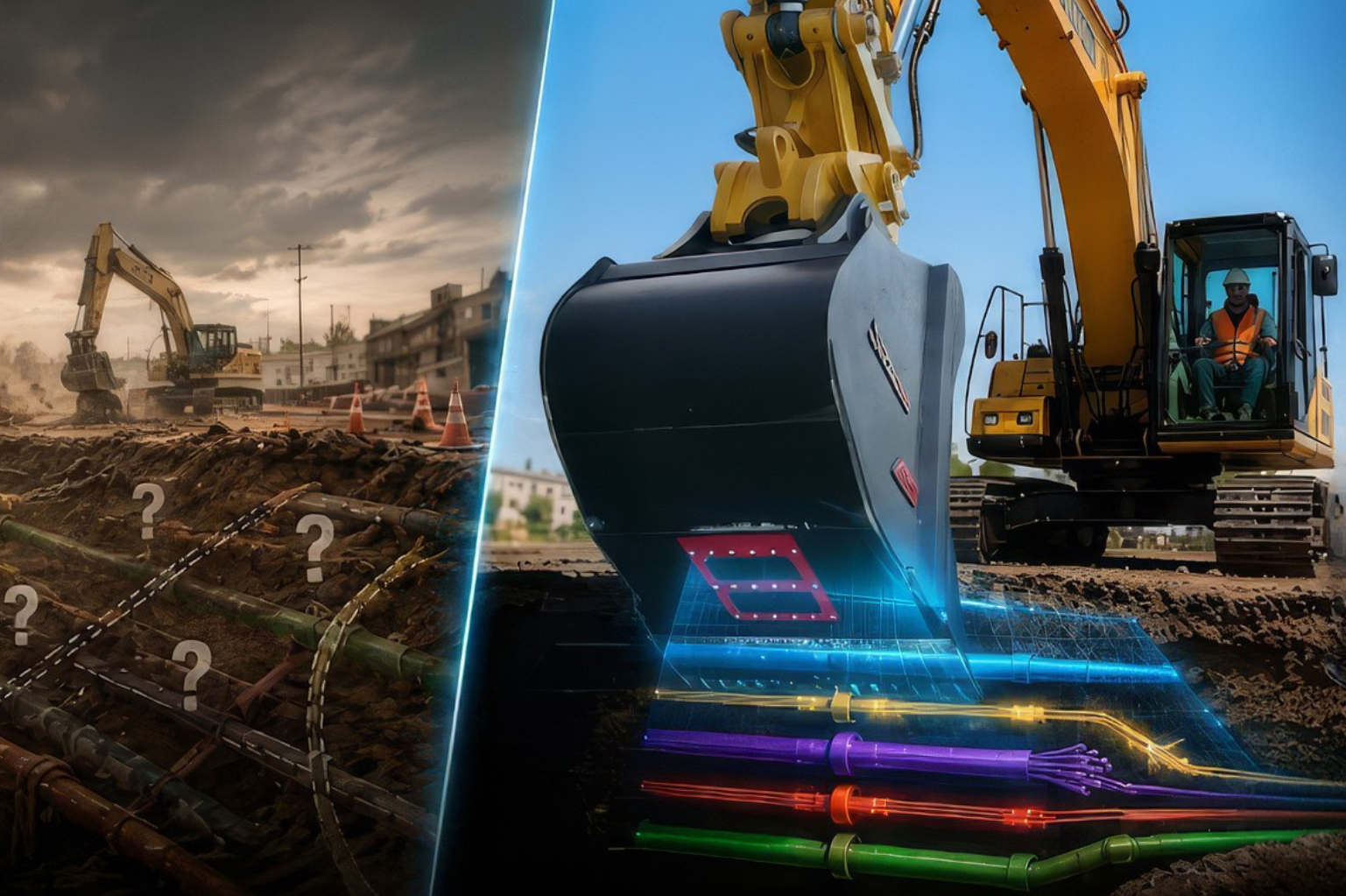
These unmapped legacy utility lines create one of the biggest challenges for modern excavation teams: the ground may contain hazards that no database can accurately show. Therefore, utility strike prevention has to be more proactive, scanning the ground to find the truth rather than relying on documentation alone.
Preventing strikes caused by unknown infrastructure requires excavation safety technology that can detect what is actually below the surface. Technologies such as GPR can help identify subsurface objects. However, traditional GPR surveys are typically performed as a pre-dig investigation and may have limitations in complex environments.
Contractors increasingly need solutions that provide real-time awareness while equipment is operating. The objective is not simply knowing where utilities were supposed to be. It is knowing what is present in the ground as the operator is actively digging.
Cause #3: Tolerance Zone Violations
Even when utilities are correctly marked, damage to buried infrastructure can still occur if crews work too aggressively near those markings.
A tolerance zone is the designated area around a marked utility where excavation methods must be more controlled. Because utility locating is not perfectly precise, the tolerance zone provides a buffer between the painted mark and the actual underground asset.
However, many strikes happen when operators unintentionally enter this zone without adjusting their approach. Common causes include wide equipment sweeps inadvertently entering tolerance zones or crews rushing work to maintain production schedules.
To prevent tolerance zone violations, crews should always:
- Use hand digging or vacuum excavation within tolerance zones
- Confirm utility locations before bringing in heavy machinery
- Avoid treating utility marks as exact locations
However, even with these practices, utility strike risks remain. Newer excavator safety technology helps address this by providing operators with additional awareness during excavation itself. Real-time detection tools can help identify underground objects as conditions change, reducing reliance on static markings and tolerance zones alone.
Cause #4: Communication Breakdowns on Site
While we can zoom in on specific locator or operator errors as causes of utility strikes, often the real problem behind these mistakes is a communication breakdown and people not having the right information at the moment it mattered.
A locator can have all the information contractors need to identify the relevant infrastructure, but if the scope of the project isn’t properly communicated, they may not provide it all. Even if all the relevant data on buried infrastructure is delivered, utility strikes can still occur if that critical information never reaches the person operating the excavator.
Excavation projects involve large numbers of people who work in different, often siloed, teams. These people may also be hired on short notice and have a much less detailed understanding of the project. This creates many opportunities for information to get lost between the planning stage and execution.
Utility strike prevention must be built on strong communication, including:
- Pre-dig safety briefings
- Clear assignment of responsibilities
- Documented and verified locate data
- Regular updates when site conditions change
- Direct communication between spotters and operators
The safest excavation teams ensure that every person involved understands not only where utilities are marked, but what precautions are required before digging begins. Technology can also help bridge the communication gap. Visual alerts, operator notifications, and digital documentation can provide information directly to operators in the cab, providing utility data when excavator decisions are being made.
Cause #5: Time and Production Pressure
In construction, there is constant pressure to meet deadlines and control costs. While focusing on productivity is important, schedule pressure can cause crews to skip safety steps. Common shortcuts that lead to underground utility strikes include skipping potholing to save time or continuing normal excavation practices near marked utilities.
These decisions often happen because workers believe traditional safety practices come at the expense of productivity. This perception remains even though rushing excavation can create far greater delays from utility repairs, regulatory penalties, project shutdowns, and worker injuries.
Real utility strike prevention improvements occur when crews no longer perceive a trade-off between safety and productivity.
The future of excavator safety technology is integrating utility strike prevention into real-time workflows to provide continuous, seamless underground awareness. Instead of forcing operators to constantly stop, check, and restart work, real-time detection technologies provide visibility during excavation itself.
The goal is to help operators work confidently at normal production speeds by making excavation safety seamless rather than an interruption.
The Pattern Behind All Five Causes: Moving From Assumption to Awareness
Although these five causes appear different, they share the same underlying problem: relying too heavily on information collected before excavation instead of understanding what utilities are present during excavation.
Outdated records, static markings, incomplete communication, and undocumented infrastructure all create uncertainty. To overcome these and create more certainty, the next generation of excavation safety is moving toward real-time awareness.
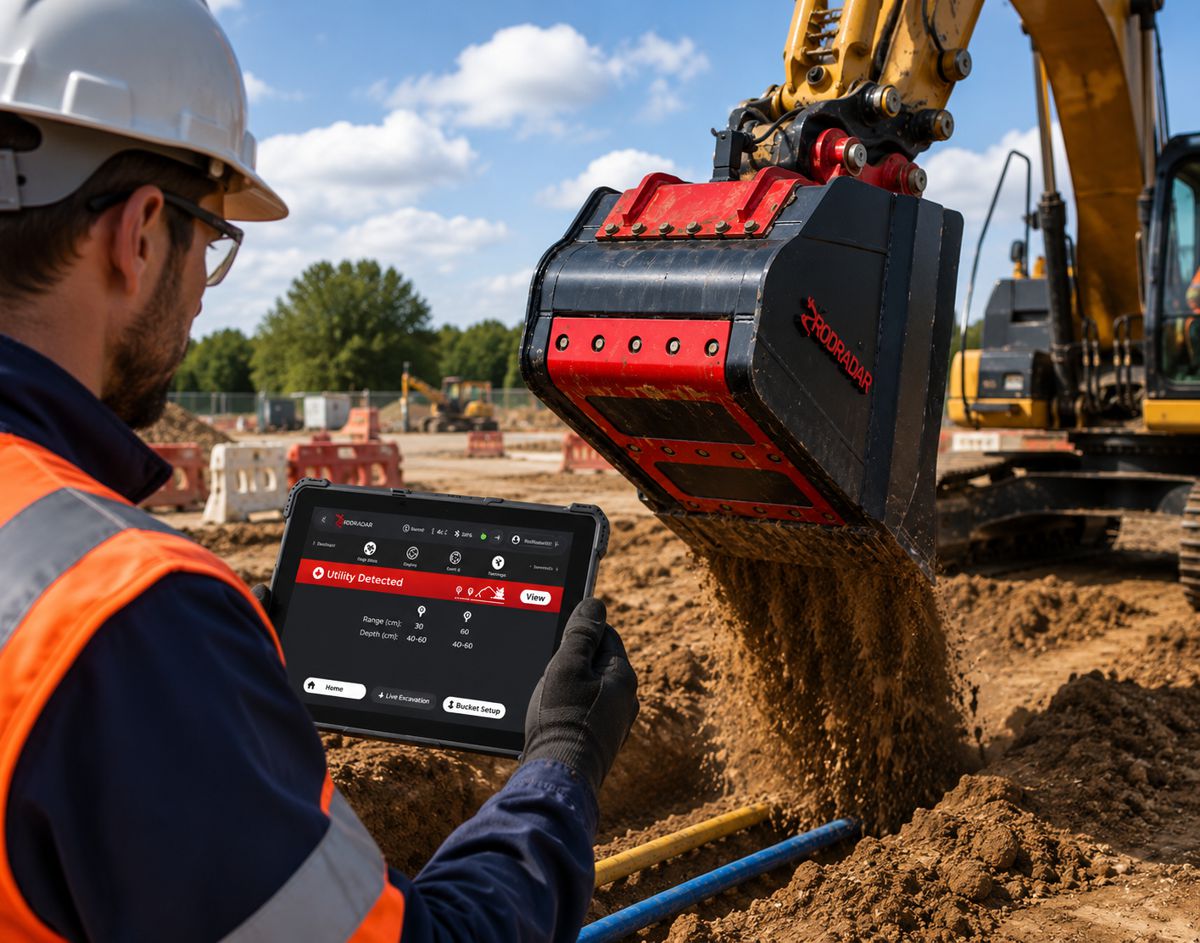
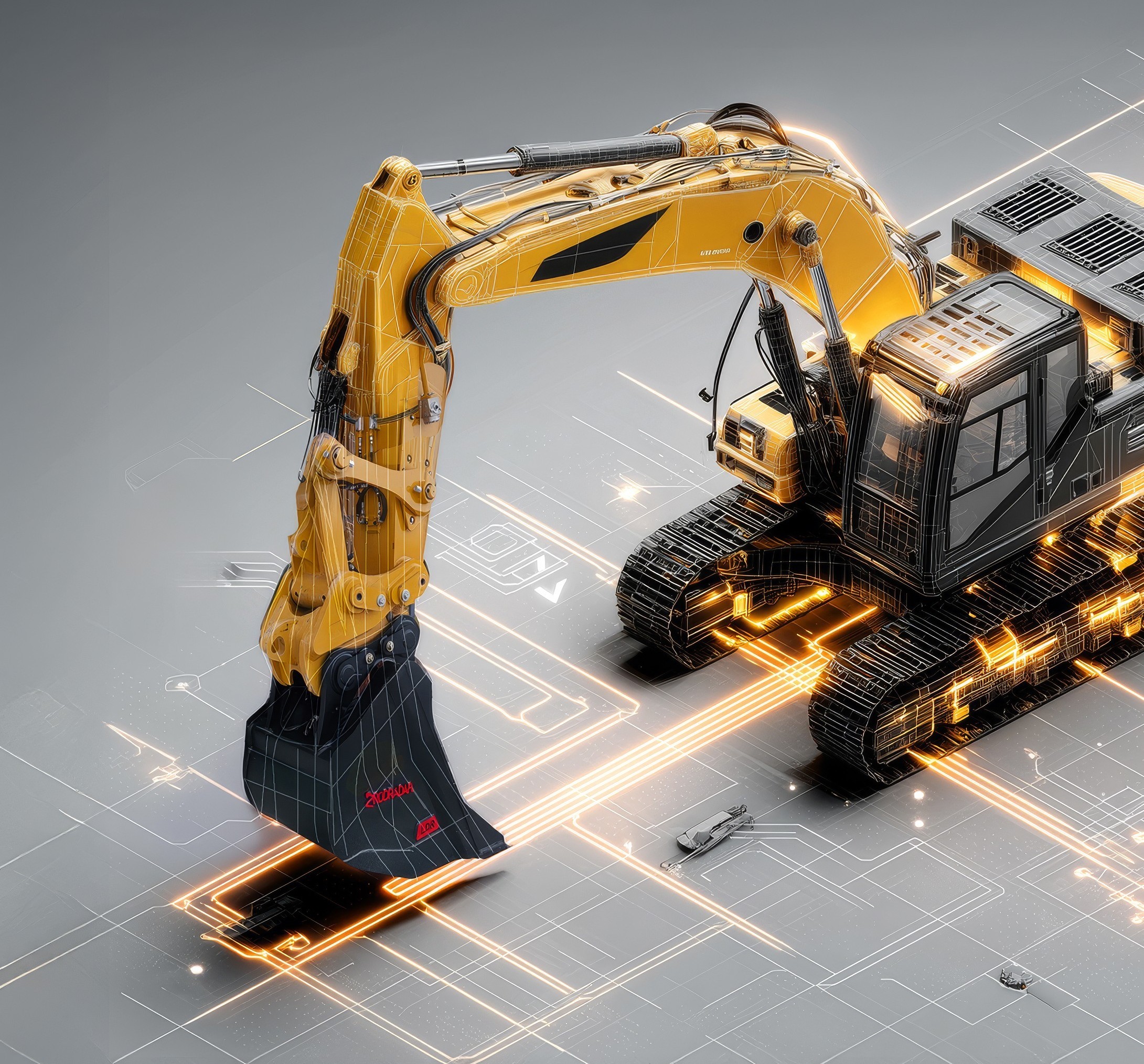
Solutions such as RodRadar’s Live Dig Radar® (LDR) represent this shift by providing detection capabilities during active excavation rather than relying only on pre-dig surveys and documentation. By combining traditional locating practices with real-time detection, contractors can create a more complete approach to excavation safety, one that protects workers, reduces damage, and supports predictable project outcomes.
The goal is not simply avoiding mistakes. It is building workflows where crews have the information they need both before and during excavation. Get in touch with one of RodRadar’s excavation safety experts and learn how real-time detection could transform your next project.